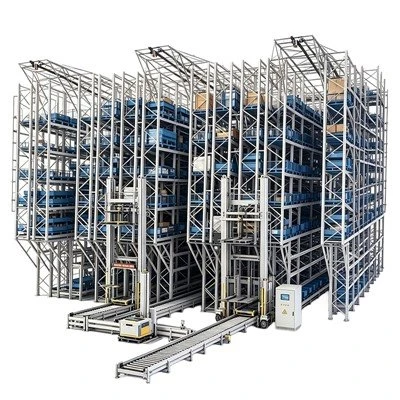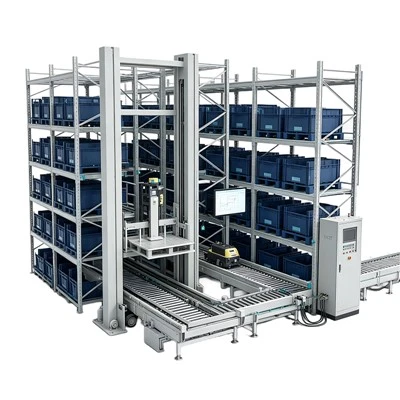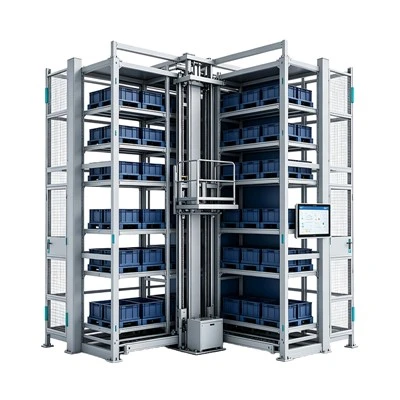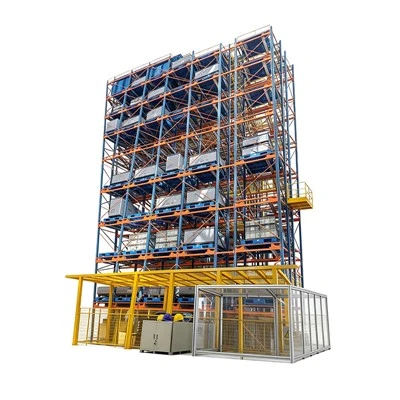

Material handling and conveying equipment is widely used in factories, warehouses, and logistics centers, primarily to transfer materials, goods, and finished products between different areas. In production workshops, raw materials entering the line undergo multiple processing stages; handling equipment reduces the manual labor involved, while conveying equipment continuously transports materials to the next stage along fixed routes, thereby streamlining the entire production process.
The use of handling and conveying equipment is also increasingly common in the warehousing and logistics sectors. Goods pass through multiple stages-from receiving and sorting to dispatch-and relying solely on manual labor not only hampers efficiency but also increases the risk of errors such as misplacement or missed shipments. Technologies such as conveyor lines, handling vehicles, and stacking equipment enable rapid internal transport and integrate with warehouse management systems to boost operational efficiency; these solutions are particularly well-suited for environments with high cargo volumes and rapid turnover.
Beyond traditional manufacturing and logistics, handling and conveying equipment is applied in industries such as food processing, pharmaceuticals, electronics, and e-commerce. Requirements vary by environment: for instance, the food and pharmaceutical sectors prioritize hygiene and ease of cleaning, whereas the electronics industry demands high stability and protection during handling. With the advancement of automated production and smart warehousing, the functionality of this equipment is evolving from simple material transfer to include capabilities such as automatic identification, automated sorting, and intelligent scheduling.