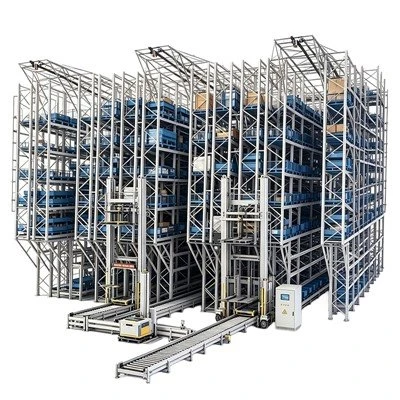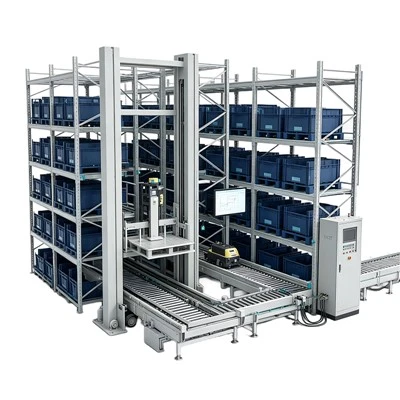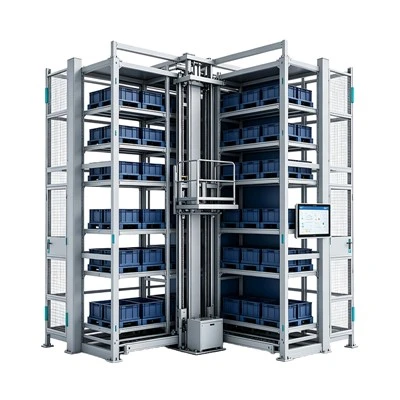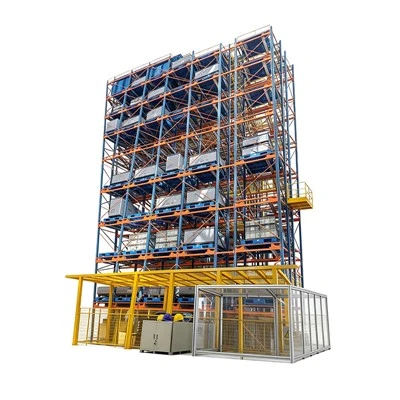

The core components of material handling and conveying equipment primarily include the power unit, transmission system, actuating mechanisms, framework, and control system. The power unit typically employs an electric motor to provide the energy required for operation, while the transmission system transfers this power to the relevant working mechanisms, enabling the equipment to move as required. The framework serves as the structural support for the entire machine, housing and securing various components while ensuring operational stability.
In the case of conveying equipment, key working components include conveyor belts, rollers, chains, sprockets, and drive units. Taking a belt conveyor as an example, the electric motor drives the rotation of the drive roller via a speed reducer and transmission mechanism; the drive roller then propels the conveyor belt, thereby facilitating the continuous transport of materials. Although chain conveyors and roller conveyors operate on different principles, they similarly rely on power and transmission components to drive the parts that carry the materials.
Beyond power and transmission systems, handling equipment requires appropriate actuating mechanisms and control devices. For instance, the fork assembly on a forklift and the lifting and fork mechanisms on a stacker are components that directly execute material handling tasks. The control system manages functions such as starting, stopping, speed, and direction, while using sensors and limit switches to monitor the equipment's operational status. Only through the coordinated interaction of these various components can material handling and conveying equipment perform their tasks reliably and accurately.