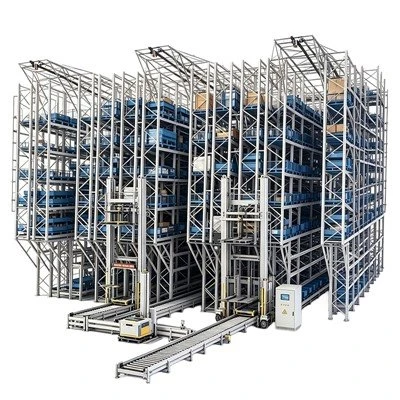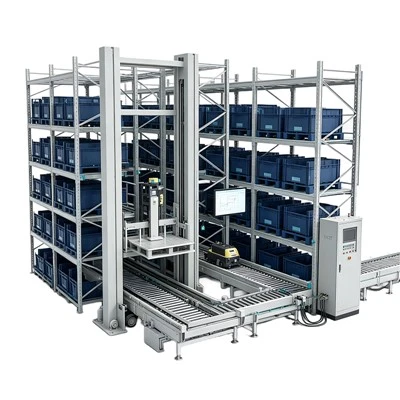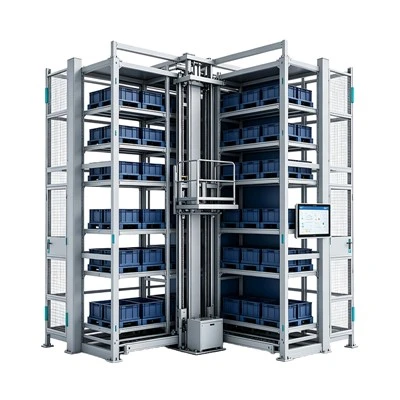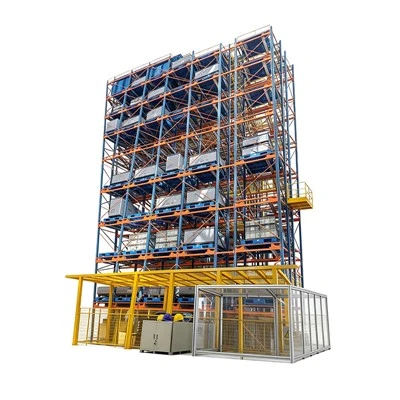

The main frames and load-bearing structures of material handling and conveying equipment serve as the core foundation for stable operation; their overall configuration is customized to suit specific material characteristics and operational environments. Standard equipment frames typically utilize high-strength carbon steel or alloy materials, employing a modular design that combines integral welding and bolted connections to balance rigidity and toughness, thereby effectively resisting deformation and wear caused by material impact and prolonged loading. Load-bearing components are configured according to the form of the material being conveyed: belt conveyors feature wear-resistant, flame-retardant belts suitable for granular, bulk, and small-item goods; roller conveyors utilize quiet, wear-resistant rollers, primarily for transporting boxed or large, regularly shaped items; and equipment such as forklifts and pallet trucks is equipped with thickened forks and anti-slip load surfaces to ensure stability during stacking and transport, making them suitable for workshops, warehouses, and factory grounds.
Power and transmission systems act as the core drive mechanisms, directly determining operational efficiency and energy consumption. Mainstream equipment currently utilizes energy-efficient variable-frequency motors that automatically adjust rotational speed based on material throughput and operational pace, preventing energy waste during no-load or light-load conditions and accommodating various operational modes, such as continuous or intermittent transport. Transmission assemblies incorporate core components-including gear reducers, chains, pulleys, and drive shafts-to ensure smooth power transfer while minimizing operational noise and vibration. Additionally, integrated braking systems and overload protection components ensure safety; in the event of anomalies such as material jams or excessive loads, the system can rapidly cut power, halt operations, and lock the equipment state, thereby preventing overload damage and safety accidents while ensuring long-term, stable, and continuous operation.
Control systems and auxiliary safety features are critical modules that enable intelligent and safe equipment operation. Standard equipment is fitted with integrated electronic control systems-including operation panels, start/stop switches, speed regulation modules, and travel sensors-allowing operators to manually adjust running speeds and conveying distances, or to configure automated start/stop and reciprocating transport programs to meet the requirements of integrated assembly line operations. Safety features include protective railings, belt-tracking mechanisms, shock-absorbing components, emergency stop buttons, and audible-visual warning lights; the tracking mechanisms prevent belt and roller misalignment, while the shock-absorbing components mitigate the impact of material loading. Some intelligent units are also equipped with fault self-diagnosis and data logging modules, enabling real-time monitoring of operational status and recording of performance data-facilitating routine maintenance and significantly enhancing both operational safety and equipment service life.