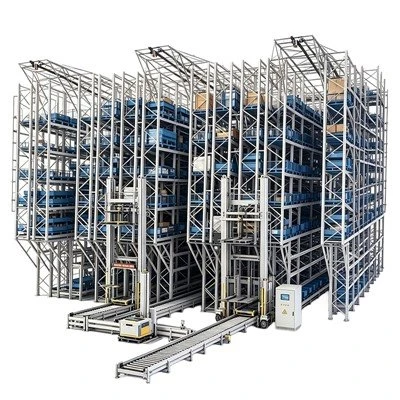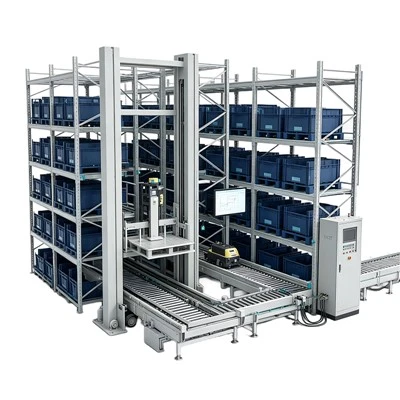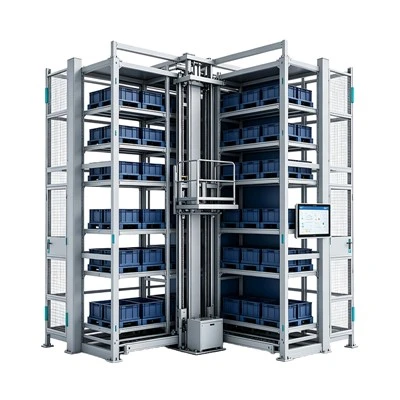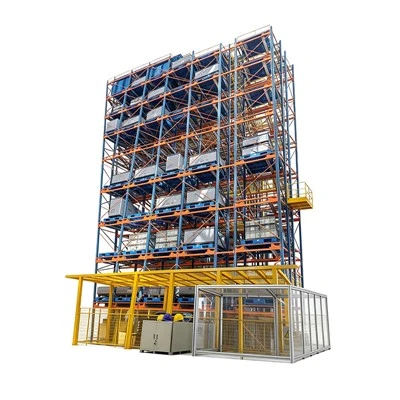

The fundamental operating principle of material handling and conveying equipment relies on the conversion of mechanical power to relocate materials, utilizing power systems to transform electrical or mechanical energy into continuous mechanical motion. Various types of conveying equipment generate power via electric motors and transmit it through components such as gear reducers, drive chains, and pulleys. This drives load-bearing elements-such as conveyor belts, rollers, or forks-to move at a constant speed in a specific direction, thereby moving the materials placed upon them in unison. The entire process adheres to principles of mechanical equilibrium, utilizing the structural stability of the equipment frame to support material loads. By replacing manual labor with continuous mechanical cycling to transport materials horizontally or along an incline, the equipment establishes the foundation for continuous operation.
These systems achieve stable and standardized material transport by matching drive mechanisms with structural constraints. Different types of handling and conveying equipment employ drive methods tailored to specific material characteristics: belt conveyors use belt friction to propel materials forward; roller conveyors utilize the synchronized rotation of multiple rollers to advance uniformly shaped materials; and forklifts or pallet trucks rely on hydraulic lifting mechanisms and drive systems to lift and transport materials over short distances. Furthermore, the equipment incorporates features such as anti-drift mechanisms, limit stops, and shock absorbers. These physical constraints guide the material's path and counteract the lateral forces and impacts generated during operation, preventing slippage, misalignment, or pile-ups. This ensures consistent transport speed and direction, resulting in a more orderly and controllable conveying process.
Modern material handling and conveying equipment achieves automated and safe operation through electronic control systems and safety protection mechanisms. Electronic control systems gather operational data to precisely regulate motor speed, start/stop status, and run times. They automatically adjust conveying speeds and operational modes based on on-site requirements, enabling seamless switching between various operational states-such as intermittent conveying, continuous conveying, and reciprocating transport. The equipment incorporates protective mechanisms such as overload sensing, brake locking, and fault detection. In the event of excessive load, material jamming, or equipment anomalies, the system automatically cuts off power and locks the drive mechanism to halt operations immediately. By leveraging a dual-protection approach combining mechanical and electronic control systems, it prevents equipment failure and safety hazards, ensuring long-term, stable, and safe operation.