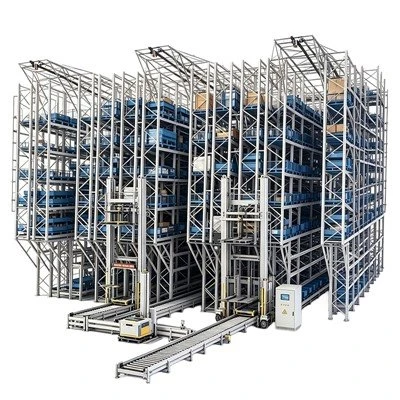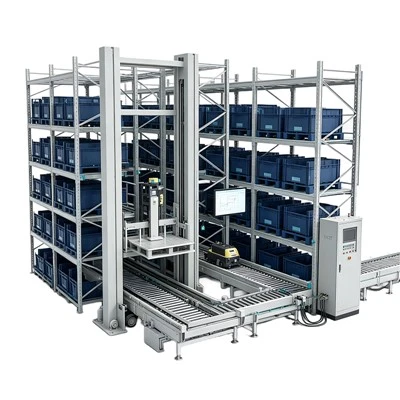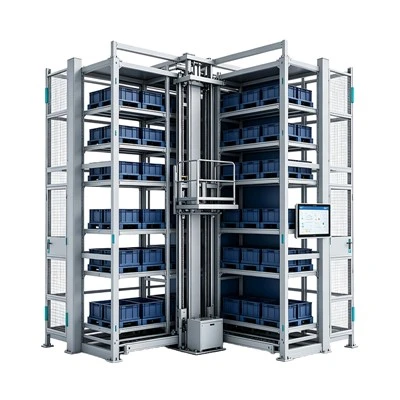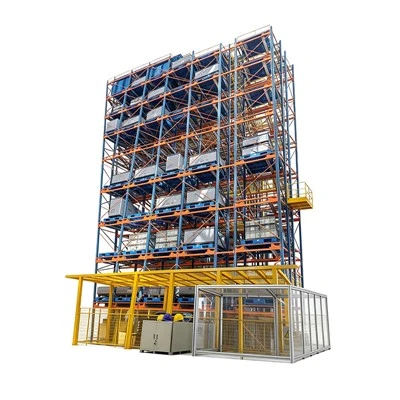

Before using material handling and conveying equipment, operators must perform pre-start inspections and preparations to mitigate operational risks at the source. Personnel must undergo professional training and be thoroughly familiar with the equipment's structure, operating procedures, and safety standards; operating without proper authorization or in violation of regulations is strictly prohibited. Prior to startup, operators must verify the tightness of the equipment body, the wear status of drive components, and the integrity of electrical connections and safety guards. They must confirm that critical components-such as emergency stop buttons, guardrails, belt-tracking devices, and braking systems-are present and fully functional. Additionally, the work area must be cleared of debris and obstacles to ensure unobstructed conveying paths.
Operations must strictly adhere to rated load limits; overloading or off-center loading is prohibited to prevent structural deformation or accidents caused by falling materials.
Strict operational discipline must be maintained throughout the equipment's operation. After startup, the equipment should undergo a no-load test run; material conveying may only commence once smooth operation-free of abnormal noises or jamming-is confirmed. Operators must not leave their posts or engage in horseplay during operation. Placing hands, tools, or clothing into drive or conveying zones is strictly forbidden to prevent entanglement or crushing injuries. Materials must be distributed evenly; piling materials on one side or stacking them excessively high is prohibited to prevent slippage or belt misalignment. If minor abnormal vibrations or noises occur, the operating speed must be reduced immediately for inspection; prolonged operation with unresolved faults is strictly prohibited to avoid equipment failure or safety hazards.
Safety management protocols must be strictly observed during equipment shutdown, maintenance, and emergency response. Upon completion of work, the system must fully clear all materials before a normal shutdown and power disconnection; the equipment surface and the unit itself must be cleaned to maintain tidiness and keep passageways clear. During inspection, maintenance, or commissioning, the equipment must be completely powered down and locked out with warning signage; performing maintenance or disassembling parts while the equipment is energized is strictly prohibited. In the event of emergencies such as material jams, sudden equipment stoppage, or electrical faults, the emergency stop button must be pressed immediately, and power disconnected before troubleshooting; attempting to retrieve materials or perform repairs while the equipment is running is strictly forbidden. At the same time, regular maintenance and inspections of the drive, electrical control, and protective components are required, along with the timely replacement of worn or aged parts, to ensure the equipment's long-term safe and stable operation.