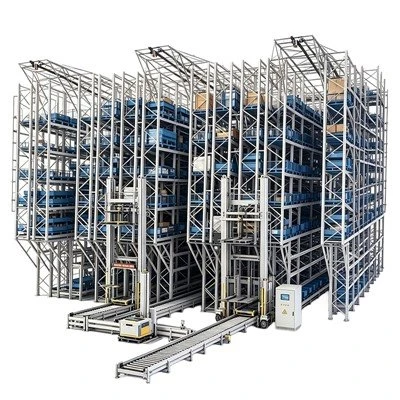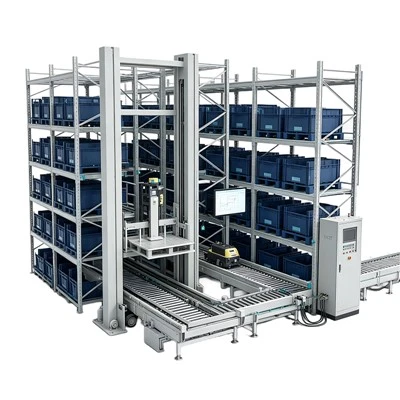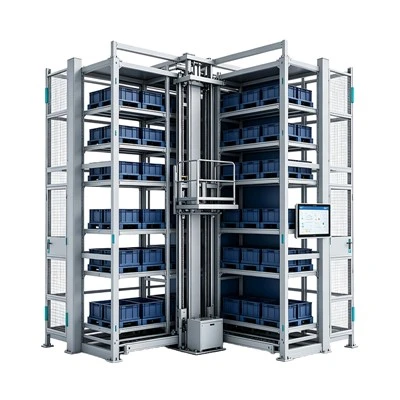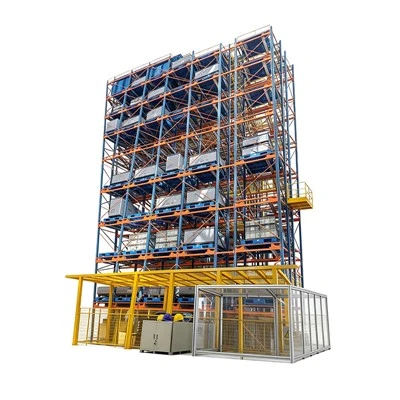

The fundamental operational parameters of material handling and conveying equipment-specifically conveying speed, throughput capacity, and operating range-serve as core indicators of the equipment's operational capability and efficiency. Conveying speeds for standard equipment can be continuously adjusted based on operational needs; for instance, standard belt and roller conveyors typically operate at speeds between 0.2 and 1.5 meters per second. This speed can be reduced to 0.1 meters per second for low-speed, high-precision applications or increased for high-speed logistics sorting scenarios. Throughput capacity-defined as the total volume of material transported per unit of time-is determined by the equipment's physical specifications and operating speed, directly dictating the production line's output capacity. Operational range parameters encompass horizontal conveying distance, inclination angle, and vertical lifting height; inclination angles for standard equipment generally do not exceed 30 degrees, as excessive angles can cause material slippage or falling, thereby ensuring transport stability.
Structural and load-bearing parameters determine the equipment's load capacity, the types of materials it can handle, and its suitability for specific sites. Load-bearing parameters center on the rated load-the maximum weight the equipment can carry in a single operation-which varies significantly across models; light-duty conveyors handle small, lightweight items, whereas heavy-duty industrial handling equipment can transport workpieces weighing several tons. Structural parameters include overall dimensions, conveyor belt width, roller spacing, and fork specifications; these parameters directly limit the permissible dimensions of the materials being transported, preventing malfunctions caused by oversized or excessively wide loads. Additionally, factors such as chassis material, structural strength, and the equipment's own weight influence stability and durability; industrial equipment often utilizes high-strength steel structures to meet the demands of prolonged, heavy-load operations.
Electrical and safety parameters provide the critical technical basis for ensuring stable operation and regulatory compliance. Electrical parameters include rated voltage, rated power, operating current, and motor speed. Standard industrial equipment is designed for industrial-standard voltages, with motor power matched to the equipment's load and operational resistance; power ratings directly affect the equipment's power reserve and energy consumption levels. Safety parameters include braking response time, overload protection thresholds, emergency stop response speed, and noise limits; overload protection thresholds are strictly set within the safe range relative to the rated load, with automatic power-off and shutdown triggered if the threshold is exceeded. Additionally, parameters regarding operational noise, temperature rise, and protective device specifications must comply with industry standards, ensuring safe and compliant operation while meeting the requirements for long-term, continuous duty.