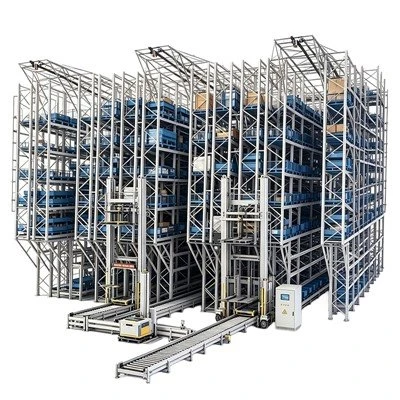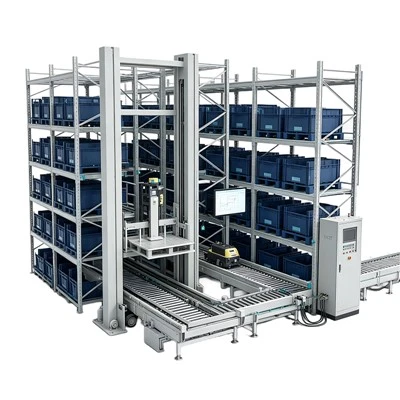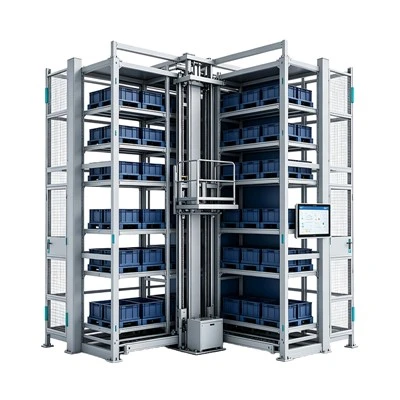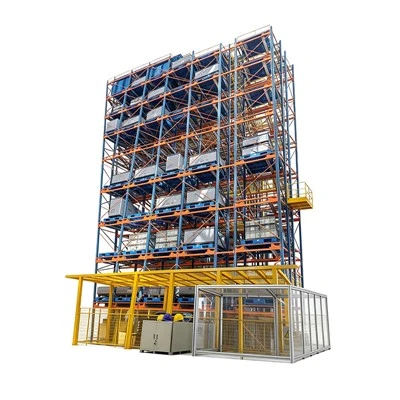

The eco-friendly philosophy behind material handling and conveying equipment is primarily reflected in designs and applications that prioritize energy conservation and consumption reduction. During the design phase, modern equipment prioritizes energy-efficient motors and variable-frequency drive systems over traditional constant high-power operation modes; this allows operating power to adjust automatically based on material volume and conveying pace, effectively minimizing electricity waste during no-load or light-load states. Simultaneously, the equipment features optimized drive structures and streamlined power transmission paths to reduce energy loss from mechanical friction, thereby enhancing overall energy efficiency. In practical application, standardized start-stop procedures and balanced conveying capacities prevent prolonged idling or overloading; low-energy operation modes reduce production energy consumption and carbon emissions, aligning with the fundamental requirements of green industrial production.
Controlling pollution and noise-and minimizing operational contamination-are core eco-friendly design concepts for handling and conveying equipment. Traditional equipment often caused issues such as airborne dust, material spillage, and excessive operating noise. Modern eco-friendly equipment addresses these problems through optimized structural designs-incorporating enclosed conveying structures, dust baffles, and material collection devices-to effectively suppress dust dispersion during the transport of bulk materials and reduce workshop dust pollution. Furthermore, the use of quiet drive components and vibration-dampening structures significantly lowers noise generated by mechanical operation and material impact, keeping noise levels within industry standards; this improves the workshop environment and prevents noise pollution from affecting the factory surroundings or personnel health. The overall design minimizes the generation of pollutants-such as exhaust fumes, dust, and noise-at the source, enabling cleaner operations.
The use of green materials and a focus on long-term maintenance are key manifestations of the sustainable, eco-friendly philosophy applied to handling and conveying equipment. During manufacturing, priority is given to high-strength, wear-resistant, and recyclable eco-friendly steel, rubber, and plastic materials, while the use of non-degradable materials is minimized. Exceptional structural durability extends the equipment's service life, thereby reducing the resource consumption and waste generation associated with frequent replacements. In daily maintenance, a "green maintenance" approach is adopted-utilizing long-lasting lubricants and eco-friendly cleaning methods-to mitigate environmental pollution caused by oil leaks or chemical cleaning agents. At the same time, regular maintenance lowers equipment failure rates and reduces the consumption of repair parts and the generation of waste components, establishing a green operational model characterized by low consumption, low pollution, and high utilization-aligning with the overarching trends of industrial energy conservation, environmental protection, and sustainable development.