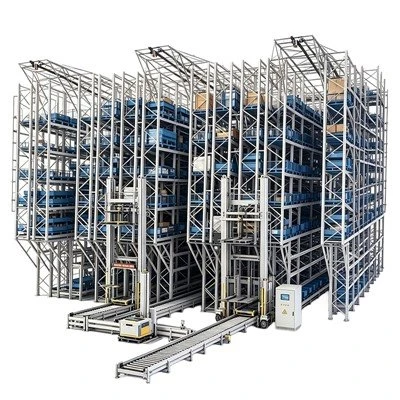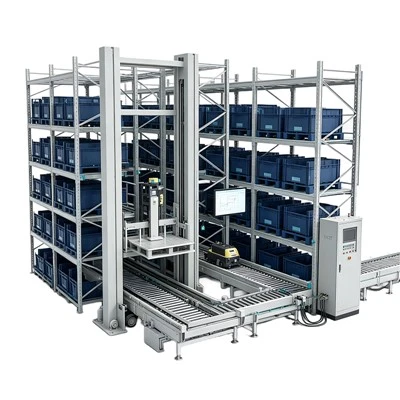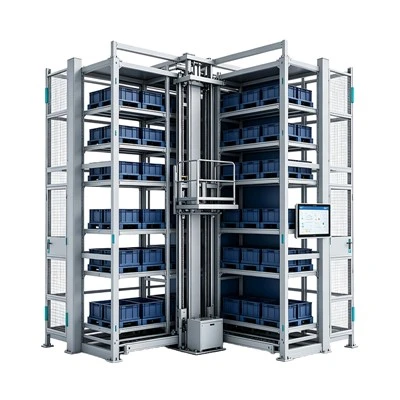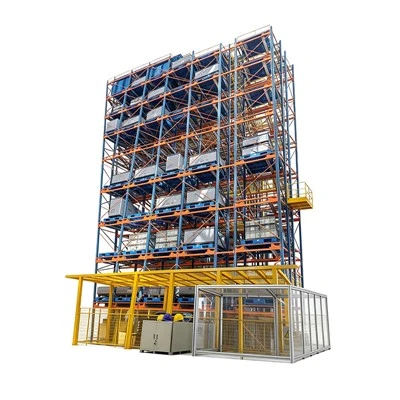

Before transport, handling and conveying equipment must undergo standardized disassembly, securing, and protective packaging to ensure safety during transit. For compact, integrated conveyor units, residual materials and grease must be cleaned off, and structural integrity verified; movable components-such as rollers, conveyor belts, and lifting mechanisms-must be locked in place to prevent shifting or wobbling during transport. Large, modular equipment requires systematic disassembly; precision or fragile components (e.g., motors, control boxes, instruments, bearings) must be individually protected using shock-absorbing foam, waterproof film, and rigid packaging. Transport vehicles must be selected based on the equipment's weight and dimensions, with load positioning carefully planned. Equipment must be clearly labeled and the center of gravity marked; loading must strictly adhere to road transport regulations regarding height, width, and weight limits.
Strict protocols regarding stability, damage prevention, and protection must be observed during loading, securing, and transit. Equipment must be positioned level and centered to ensure a stable center of gravity, avoiding overhangs or tilting. Large items must be secured using steel cables and tension straps, supplemented by timber blocking and anti-slip pads, to prevent sliding, tipping, or collisions caused by road bumps or braking. During transit, drivers should select smooth routes and control speeds, avoiding rapid acceleration, sudden braking, and violent jolting. Comprehensive protection against rain, dust, and sun exposure is required; units must be fully covered with waterproof tarpaulins to prevent corrosion, moisture damage to circuits, and paint degradation. Measures must be taken to keep dust and debris out of drive mechanisms and electrical enclosures, ensuring structural and electrical components remain unaffected by the transport environment.
Upon arrival, the unloading and handover process must adhere to standards for gentle handling and proper placement. Loading and unloading operations require lifting and handling equipment with appropriate tonnage ratings; the lifting center of gravity must be accurately identified to ensure smooth lifting and gentle placement. Practices such as diagonal pulling, forced lifting, or dropping/impact are strictly prohibited to prevent structural deformation, component cracking, or damage to precision mechanisms. Once offloaded, the equipment must be placed on a level, dry, stable, and well-ventilated site; use cushioning pads to ensure the unit remains level and keep it away from areas with standing water, oil contamination, or corrosive environments. Immediately after unloading, verify the quantity and physical condition of the components, checking for any wear, deformation, or moisture damage incurred during transit. Properly document the handover to ensure the equipment is in optimal condition for subsequent installation, commissioning, and operation.