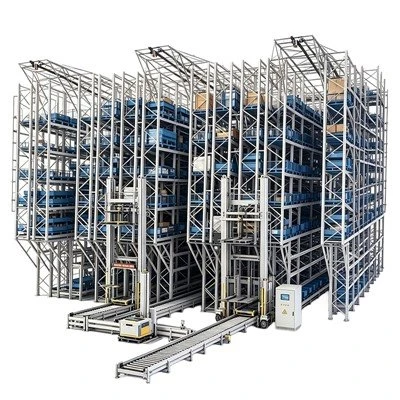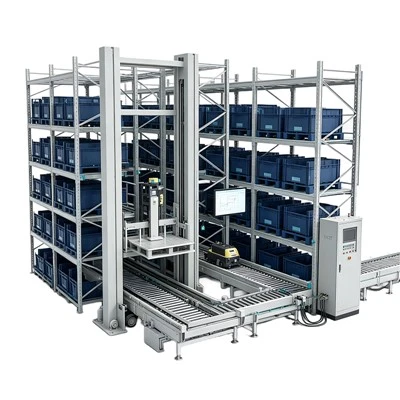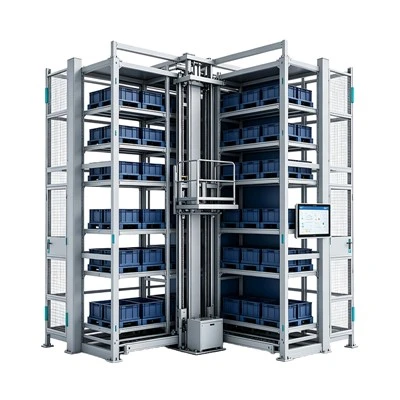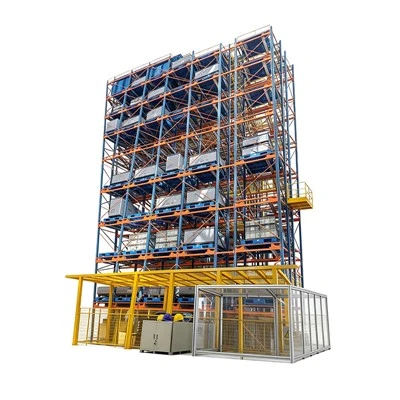

The fundamental function of material handling and conveying equipment is the efficient displacement and transfer of various materials; these systems are widely used in industrial production, warehousing and distribution, and factory-floor loading and unloading. Capable of handling diverse cargo types-such as bulk granules, shaped components, boxed finished goods, and heavy materials-the equipment performs continuous conveying operations across horizontal, inclined, and other orientations to meet specific site requirements. It effectively overcomes the limitations of manual handling, such as low volume, inefficiency, and a lack of sustained output. By ensuring stable, uninterrupted material transport, the equipment links various operational stages-production, warehousing, and loading/unloading-streamlining material flow, maintaining a coherent and orderly workflow, and significantly boosting overall material turnover efficiency.
Ensuring orderly material transport and minimizing material loss are key practical functions of handling and conveying equipment. Unlike manual handling, which is prone to issues like spillage, impact damage, or tipping, standardized conveying equipment maintains stable material positioning and ensures a regulated, orderly transport process. Features such as anti-slip mechanisms, cushioning, and belt-tracking systems provide targeted protection for fragile, abrasion-prone, or shift-prone materials, effectively reducing the risk of damage and loss. Furthermore, the equipment enables uniform, metered, and stable material feeding, precisely synchronizing with the pace of production line processes-such as machining, sorting, and packaging-to prevent bottlenecks or transport interruptions, thereby providing reliable support for standardized, routine assembly-line operations.
Reducing workload, enhancing efficiency, and ensuring operational safety are core auxiliary functions of handling and conveying equipment, and are the primary reasons for their widespread adoption in industrial settings. Capable of continuous, long-term operation without the constraints of human stamina or shift limits, the equipment effectively lowers the labor intensity for frontline workers, reduces the need for manual handling, and saves on labor costs. Additionally, built-in safety features-such as overload protection, emergency braking, and fault warnings-effectively mitigate risks associated with heavy-load operations and high-speed conveying, reducing accidents caused by human error. Intelligent models also feature automatic start/stop, stepless speed regulation, and operational self-diagnosis, further enhancing the automation of material handling, simplifying equipment operation and maintenance, and helping enterprises achieve safe, efficient, and cost-effective material management.