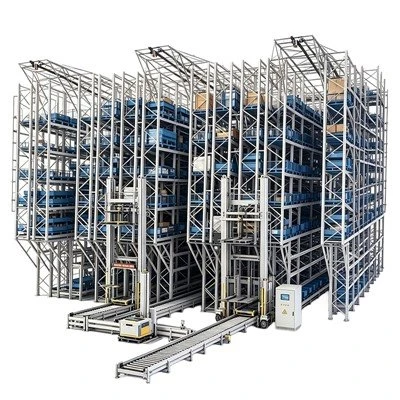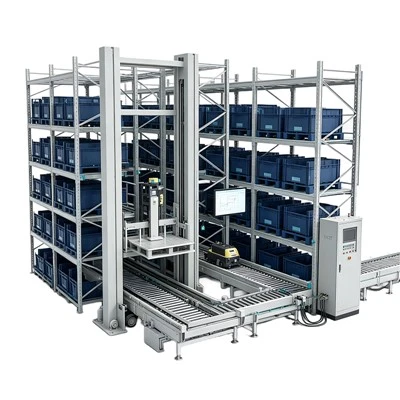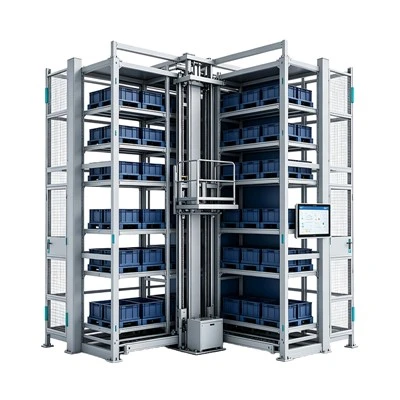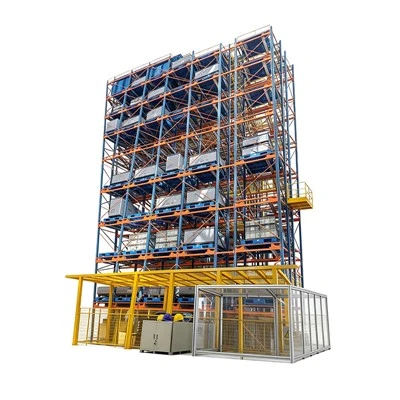

The primary function of material handling and conveying equipment is to facilitate the continuous, efficient transfer of materials, replacing manual labor for the movement of various goods across industrial production, warehousing, logistics, and factory-site transport scenarios. Capable of handling diverse loads-ranging from granular materials and bulk raw ingredients to boxed finished goods and heavy workpieces-these systems execute horizontal, inclined, and even short-distance vertical transport along established routes, effectively overcoming the limitations of low efficiency and restricted capacity inherent in manual handling. By enabling large-scale, continuous material transfer, the equipment integrates the flow of materials across production, storage, and loading/unloading stages, ensuring seamless operational continuity and fundamentally boosting overall material turnover efficiency.
Stable material alignment and protective handling are crucial practical features of these systems. During operation, the equipment maintains the material's orientation, preventing common manual handling issues such as spillage, tipping, or impact damage. For materials prone to abrasion or breakage, integrated cushioning, anti-slip, and anti-drift mechanisms significantly reduce loss rates, ensuring the integrity and consistency of the transport process. Furthermore, the equipment enables uniform, metered material delivery, precisely synchronizing transport rates with downstream processing, sorting, and packaging stages; this effectively prevents bottlenecks or supply gaps, providing a solid foundation for standardized assembly-line operations.
Cost reduction, efficiency enhancement, and safety management are key auxiliary functions-and primary drivers for the widespread adoption-of material handling and conveying equipment in industrial settings. Capable of continuous, uninterrupted operation without the constraints of human stamina or shift limitations, these systems drastically cut labor costs and physical exertion requirements. Additionally, built-in safety features-such as overload protection, emergency braking, and fault warnings-effectively mitigate risks associated with heavy-load handling and high-speed transport, thereby reducing accidents caused by human error. Some intelligent conveying systems feature automated start-stop capabilities, intelligent speed regulation, and self-diagnostic functions; these systems not only optimize operational workflows and enhance overall automation levels but also reduce equipment maintenance costs, helping enterprises achieve efficient, safe, and cost-effective material handling and management.