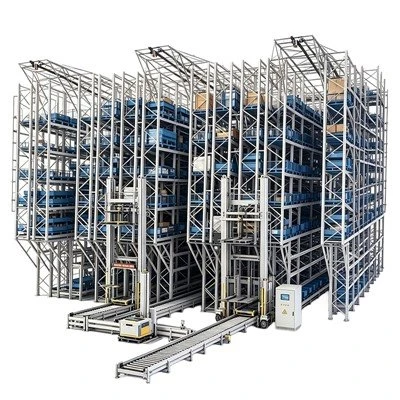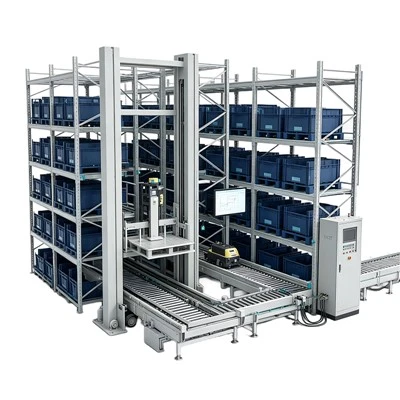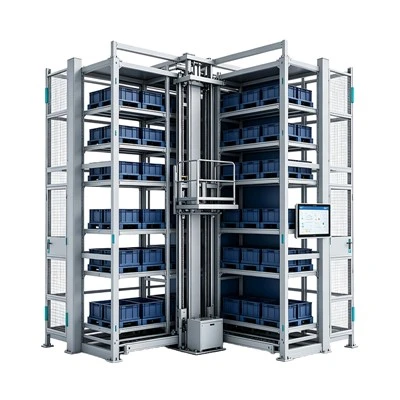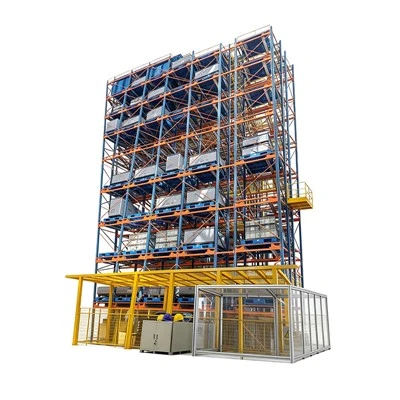

Preliminary preparations for performance testing of material handling and conveying equipment are essential to ensure the accuracy of test data and the safe, orderly conduct of the testing process. Before formal testing begins, the operating area must be cleared of debris and obstacles to ensure unobstructed space for equipment operation. Simultaneously, the equipment's overall appearance, structural connections, and safety guards must be inspected for integrity; checks should confirm the absence of structural deformation, loose bolts, or deteriorated/damaged wiring. Personnel must verify the equipment's rated parameters in advance-clarifying metrics such as load standards, operating speeds, and braking performance-and prepare specialized testing tools, including tachometers, force gauges, and thermometers. Furthermore, a no-load trial run is required to identify basic faults such as abnormal noises, stuttering, or tracking issues; systematic performance testing may only commence once the equipment is confirmed to be in a suitable condition for testing.
Core performance testing focuses on three key areas-load operation, transmission and conveying, and safety protection-to comprehensively verify the equipment's operational capabilities. Load performance testing encompasses both rated load and overload scenarios: materials are distributed evenly according to standard load specifications and operated continuously for a prescribed duration to assess speed stability, structural deformation under load, and motor temperature rise. This determines whether the equipment meets rated operational requirements, while short-term overload tests evaluate its resistance to load-induced shocks. Conveying performance testing prioritizes operational stability, checking for issues such as material misalignment, slippage, accumulation, or spillage, and verifying the operational precision and wear status of transmission components like belts, rollers, and chains. Safety performance testing focuses on the sensitivity of emergency braking, overload protection, limit switches, and alarm systems, ensuring rapid response and effective braking in the event of abnormal operating conditions.
Data verification and the rectification of issues following the test are critical steps in ensuring the equipment meets standards for operational deployment. Upon completion of testing, personnel must compile the data and compare it against technical standards and industry regulations. Key parameters-such as operating speed, load capacity, braking distance, energy consumption, and safety response time-are verified individually to determine whether the equipment's performance meets the required standards. Minor issues identified during inspection-such as misalignment, sluggish braking, abnormal noises under load, or component wear-must be promptly addressed through adjustments, tightening, lubrication, or part replacement. Equipment failing to meet performance standards or exhibiting serious malfunctions must be taken out of service and formally logged; operations may only resume following specialized repairs and successful re-inspection. Furthermore, inspection records must be archived to provide data for ongoing operation, maintenance, and servicing, thereby ensuring the equipment's long-term stable, safe, and compliant operation.