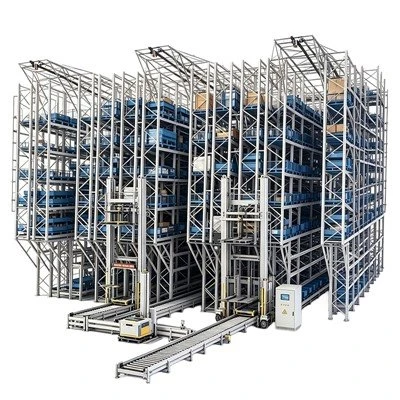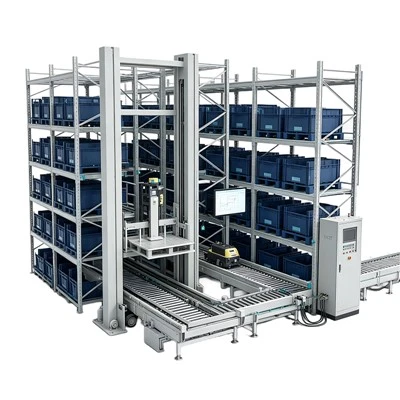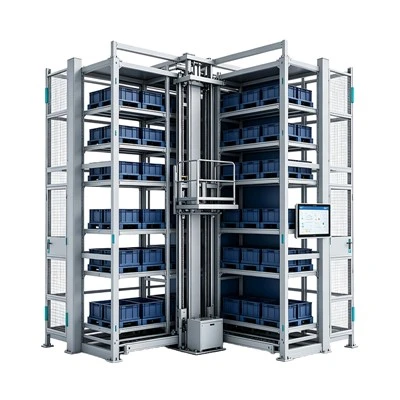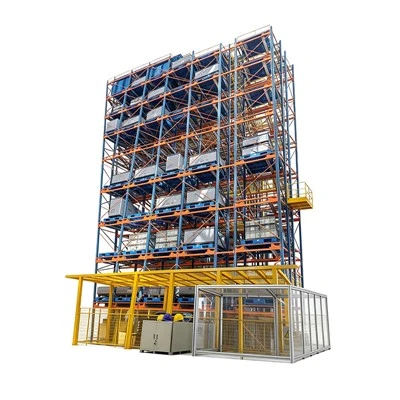

Daily maintenance of material handling and conveying equipment is a routine operational task essential for minimizing unexpected breakdowns and maintaining basic operational readiness. After each work cycle, operators must promptly clear material residue, dust, and debris from conveyor belts, rollers, and gaps in the machine body to keep the equipment clean and tidy. Concurrently, they should perform a quick check for loose mounting screws, proper belt tension, and the integrity of safety guards, while conducting a test run to detect any abnormalities such as unusual noises, belt misalignment, or jamming. Following these checks and cleaning, the equipment should be shut down (unloaded), powered off, and returned to its home position; daily operation and maintenance logs must be completed to ensure the equipment is ready for normal startup the following day.
Weekly and monthly maintenance constitute routine, in-depth servicing aimed at identifying minor hazards and mitigating component wear. Weekly maintenance focuses on the drive system, involving the lubrication of rotating parts (chains, bearings, rollers), the adjustment of misaligned belts and loose drive components, the cleaning of dust from motor and control box surfaces, and the inspection of electrical connections for security and signs of aging. Monthly maintenance is more comprehensive, requiring detailed inspections of critical components such as load-bearing structures, braking assemblies, limit switches, and emergency stop buttons. It involves testing the responsiveness of speed control, startup/shutdown, and braking functions; anticipating wear on slightly worn parts; tightening loose components; and adjusting operating parameters to ensure stable overall operational precision.
Annual overhauls represent periodic, in-depth maintenance requiring the complete disassembly and inspection of the equipment to address issues related to aging and wear. During the annual shutdown, personnel must disassemble the entire unit to inspect core components-such as the frame, load-bearing structure, gear reducer, motor, and drive shaft-for wear, deformation, or aging. Consumables and parts that are worn beyond limits or have failed-including bearings, belts, seals, and lubricants-must be replaced. Additionally, core parameters such as operating speed, braking precision, and conveying levelness are fully calibrated; electrical control systems are checked for wiring aging and component degradation; and comprehensive rust and corrosion prevention treatments are applied to the entire machine. Upon completion of the annual maintenance, acceptance testing-comprising both no-load and load trial runs-must be conducted to verify that all equipment performance specifications are met before the equipment is put into regular operation for the coming year.