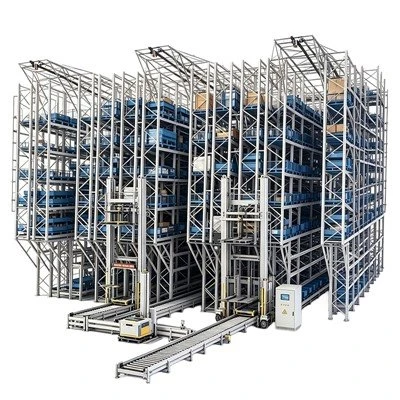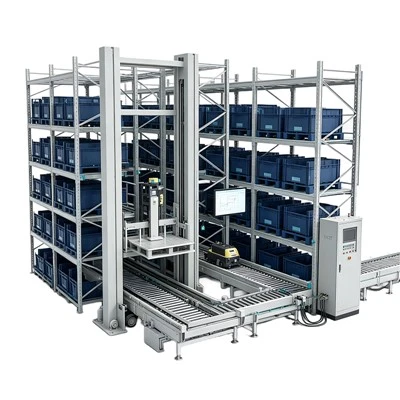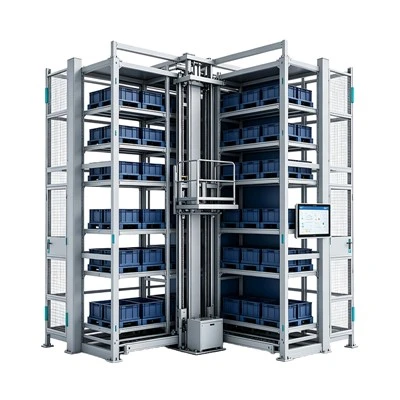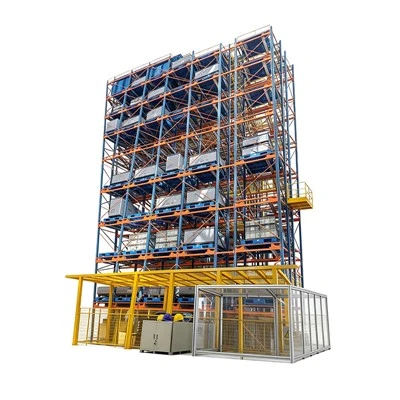

The design of warehouse storage equipment must first take into account the facility's specific operational needs, including factors such as floor area, architectural structure, cargo types, and storage volume. Since goods vary in dimensions, weight, and packaging, the storage equipment-such as racking, pallets, and totes-must be selected accordingly. The design process should also prioritize the efficient use of vertical space, maximizing utilization while strictly adhering to load-bearing and safety standards. Furthermore, storage zones should be organized based on the frequency of stock movement; properly arranging high-turnover versus low-turnover goods minimizes handling distances and boosts overall operational efficiency.
Structural design and safety performance are also critical considerations. As storage racks and facilities endure varying loads over time, materials, shelf heights, spans, and load-bearing capacities must be carefully determined based on the weight of the goods to prevent safety hazards caused by insufficient structural strength. Comprehensive attention must also be paid to connection methods, stability, and collision protection. In warehouses utilizing material handling equipment like forklifts, adequate aisles and turning radii must be provided to ensure the safe and smooth movement of personnel and machinery. A sound structural design not only meets storage requirements but also extends the equipment's service life and enhances operational safety.
Finally, the design must account for operational efficiency and ease of future management. Equipment layout should align with workflows-such as receiving, storage, picking, and dispatch-to minimize redundant handling between zones. For warehouses with high volumes and frequent turnover, options such as automated racking, mobile shelving, or intelligent storage systems may be adopted, integrated with information management systems to ensure accurate tracking of stock locations and quantities. Additionally, the equipment should offer flexibility, allowing for modifications or expansions should cargo types or storage needs change. Such an approach improves overall operational efficiency while helping to reduce long-term operating and maintenance costs.