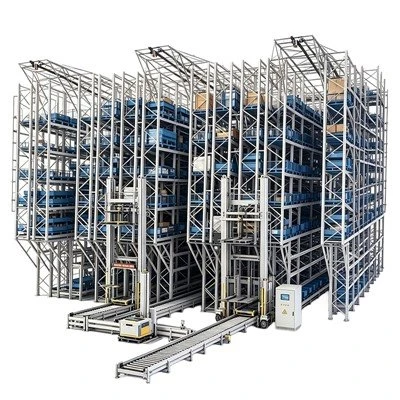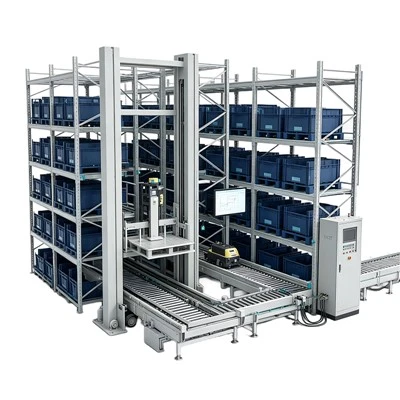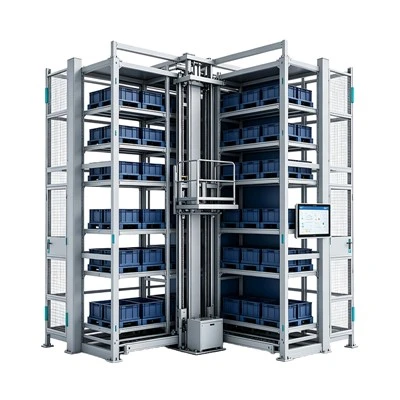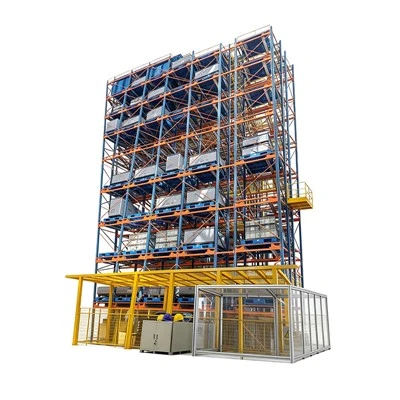

The basic specifications of handling and conveying equipment are mainly based on the core standards of conveying width, overall length, load-bearing capacity, and operating speed, which are also the most basic reference for equipment selection. Conventional conveyor equipment on the market has standardized dimensions. The conventional width of ordinary belt conveyors ranges from 400mm to 1200mm, and the overall length can be customized according to on-site conditions. Short distance conveyors are mostly 2 to 5 meters, while long-distance assembly lines can be spliced and extended to tens of meters. Conventional equipment typically has a single unit load capacity ranging from 50kg to 500kg. Light equipment is suitable for small materials, while heavy-duty equipment can meet the transportation of large goods. The operating speed of most devices supports adjustable speed regulation, with a conventional speed range of 0.1m/s to 0.5m/s, which can adapt to low-speed precision conveying operations and meet the production needs of large-scale rapid circulation.
There are significant differences in the specific specifications and parameters of different types of handling and conveying equipment, which need to be selected according to the category of the equipment. The core specifications of a roller conveyor are reflected in the roller diameter, spacing, and body width. The commonly used roller diameters are 50mm, 60mm, and 76mm, with spacing generally controlled between 100mm and 200mm. It is suitable for conveying cardboard boxes, pallets, and regular workpieces; The bucket elevator has the main specifications of hopper capacity, lifting height, and conveying tonnage. The conventional lifting height is 3 to 30 meters, and the hourly conveying capacity can range from 3 to 50 tons. It is mainly used for vertical conveying of powder and granular materials. The scraper conveyor is based on the specifications of scraper width, body tank thickness, and conveying capacity. It has a solid structure and is suitable for high load and high wear loose material conveying conditions.
In addition to conventional standard specifications, most on-site production scenarios will use non-standard customized specifications to adapt to special production conditions. For narrow workshops and low work spaces, customized narrow width, low rack, and mini conveyor equipment can be used to reduce the width and height of the machine body and rack; For heavy-duty material conveying, the frame can be thickened, transmission components can be thickened, and the conveying surface can be widened to improve the overall load-bearing capacity of the equipment. For scenarios of high and low drop conveying and inclined conveying, equipment specifications for corresponding inclination angles and extended climbing sections can be customized according to the actual drop angle. All non-standard specifications will be adjusted in size, load-bearing capacity, and structural layout based on standard equipment to ensure that the equipment specifications fully match the production line site, material characteristics, and production capacity requirements, ensuring stable and efficient operations.