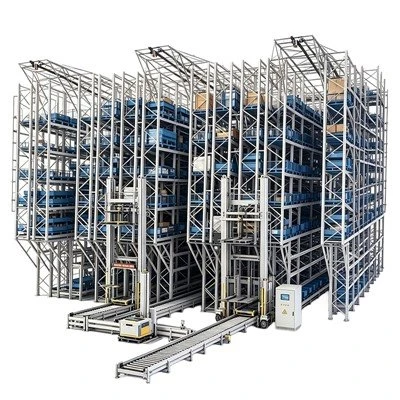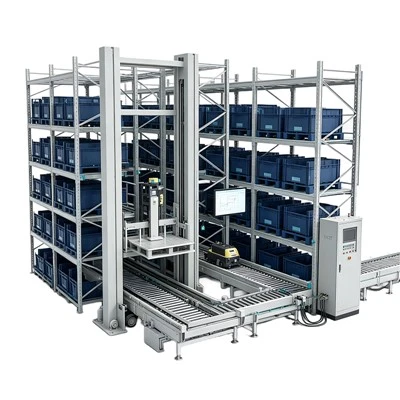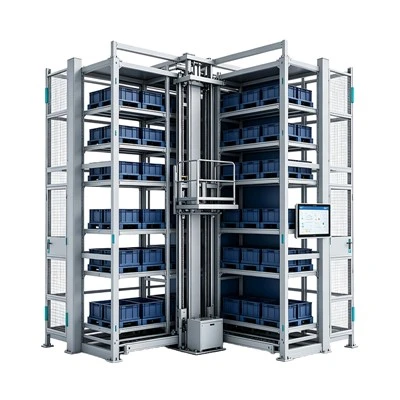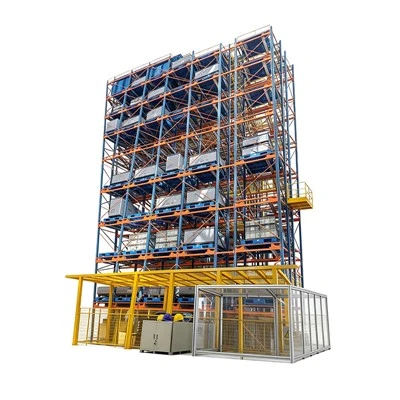

Automated operation control is the core function of the software system for handling and conveying equipment, mainly used to coordinate the daily operation process of the entire conveyor line. The system can set the equipment start stop sequence, operating speed, conveying cycle, and material sensing logic in advance according to on-site production needs, replacing manual operation throughout the process. In the scenario of multi device linkage assembly line, software can accurately connect the running rhythm of upstream and downstream equipment, avoiding problems such as material accumulation, conveying faults, and equipment idling. It enables various conveying equipment such as belts, rollers, and elevators to operate in a coordinated and stable manner, effectively improving the automation level of overall material transportation and ensuring a coherent and orderly production process.
Human machine operation and data management are the basic practical functions of software systems, which facilitate the daily control of equipment and statistical production data by staff. Through the matching touch control interface, staff can freely switch between manual and automatic operation modes, adjust equipment operating parameters, correct conveying delays, adjust start stop logic at any time, and adapt to the operational needs of different materials and production capacities. At the same time, the system will automatically collect and store equipment operation data, including key information such as daily conveying output, equipment operation duration, start stop frequency, load status, etc. It can query and export ledger data at any time, providing real and effective data support for production statistics, capacity accounting, team assessment, and production plan adjustment.
Security monitoring and fault protection are key functions of software systems to ensure the stable operation of equipment, comprehensively safeguarding equipment and production safety. The system has all-weather real-time monitoring capability, which can identify various fault problems such as motor overload, material jamming, equipment deviation, and line abnormalities in real time. Once an abnormality is detected, it will immediately trigger protective actions such as automatic shutdown, power-off protection, interlocking emergency stop, etc., to avoid component damage or safety accidents caused by faulty equipment operation. At the same time, the system will synchronously issue sound and light warnings, accurately prompt the type and location of faults on the operation interface, automatically retain fault logs and operation records, facilitate maintenance personnel to quickly identify problems and complete repairs, significantly reduce equipment failure rates and downtime for maintenance, and improve the safety and stability of production line operation.