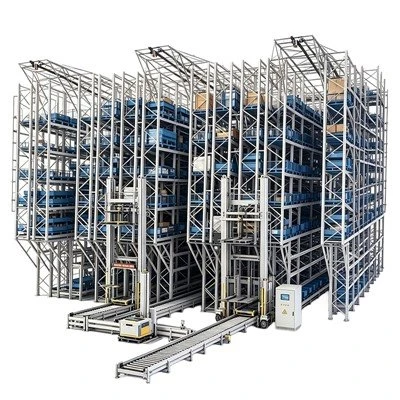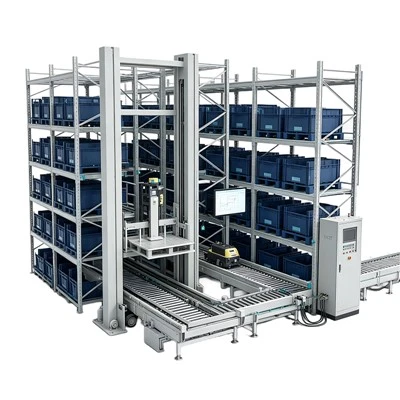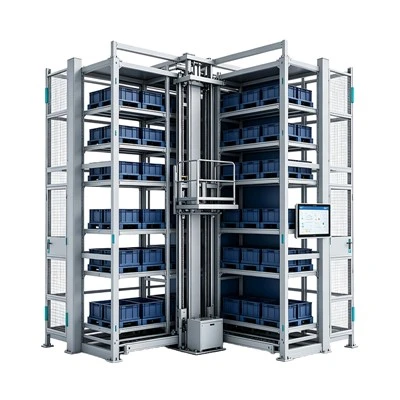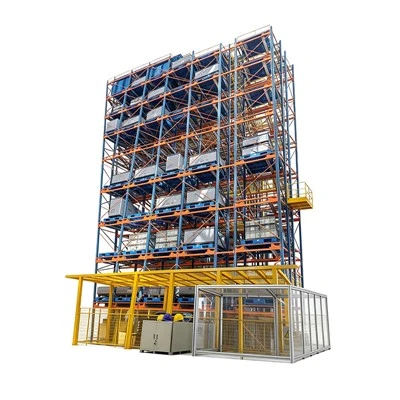

The core design philosophy for material handling and conveying equipment centers on practicality and adaptability, catering to the diverse material transport needs of industrial environments. The equipment design is tailored to material characteristics, operational scenarios, and production workflows; structural layouts are optimized for materials of varying weights, shapes, and compositions-accommodating everything from bulk materials and uniform goods to heavy workpieces. Furthermore, by integrating site-specific factors such as facility space, assembly line layout, and operating distances, the equipment employs a modular, lightweight structural design. This approach ensures overall strength and stability while enhancing versatility and adaptability, allowing for seamless integration into production, warehousing, and loading/unloading operations to best meet practical production requirements.
High efficiency, energy conservation, stability, and durability serve as the guiding principles for the design of handling and conveying equipment, influencing every aspect of the structural and powertrain systems. In designing the power transmission system, priority is given to energy-efficient drive components and smooth transmission mechanisms; optimizing power transmission paths minimizes energy loss and mechanical friction, thereby effectively reducing energy consumption and operating costs. The equipment body utilizes high-strength, wear-resistant materials, with critical load-bearing and transmission components reinforced to enhance resistance to impact, wear, and fatigue, making the equipment suitable for prolonged, continuous operation. The structural design eliminates superfluous mechanical elements and simplifies transmission processes; this not only ensures operational efficiency but also reduces the likelihood of equipment failure, thereby improving operational stability and extending service life.
Safety, reliability, and ease of maintenance are key design concepts for modern handling and conveying equipment, balancing operational safety with long-term ownership costs. Adhering to a "safety-first" principle, the equipment comes standard with safety features such as belt-tracking mechanisms, shock absorption, overload protection, and emergency braking systems. These measures mitigate operational hazards through both mechanical design and electronic control systems, ensuring the safety of personnel, materials, and the equipment itself. Additionally, a user-centric approach to maintenance simplifies disassembly, inspection, and cleaning, while the use of standardized, universal components facilitates routine upkeep, troubleshooting, and parts replacement. Certain intelligent models incorporate automated controls and self-diagnostic capabilities to meet the demands of automated modern production lines, achieving an integrated design that is safe, efficient, and easy to maintain.