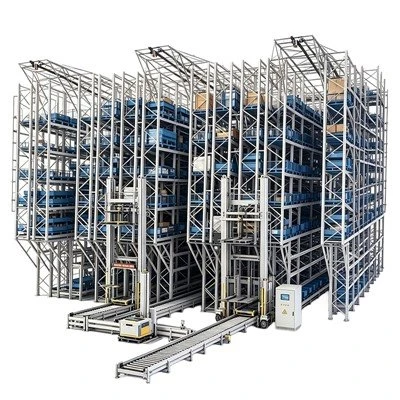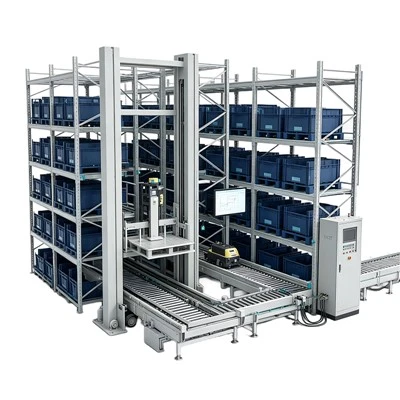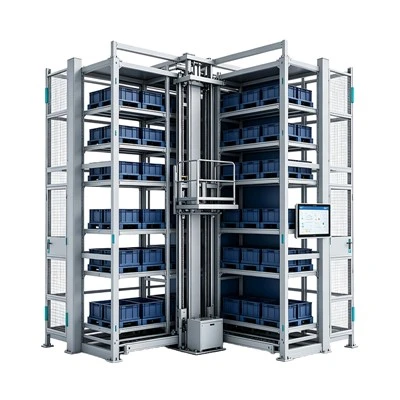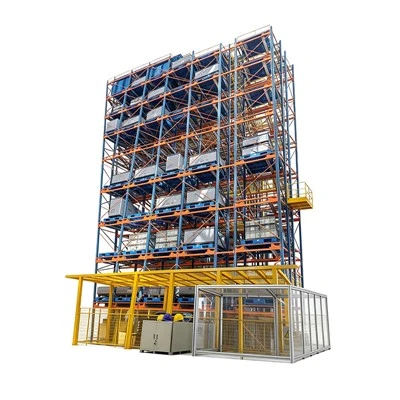

The core design principle of the software system for handling and conveying equipment is to follow the basic principle of "hardware adaptation and on-demand control", and to build control logic based on the on-site material conveying conditions. At the beginning of the design, the entire system will be fully compatible with the equipment type, material properties, operating load, and on-site working environment of the conveyor line, matched with corresponding control programs and signal acquisition logic. The design adopts a hierarchical control approach, separating the underlying hardware drivers, signal reception, and action execution to ensure precise docking and stable response of hardware devices such as sensors, motors, and frequency converters. Abandoning redundant program design as a whole, only retaining the core control functions adapted to the production line, making the system run more efficiently and with lower failure rates, truly achieving on-site production and precise control of equipment.
The system design follows the operating principle of "process linkage and rhythm matching" to ensure the coordinated and orderly operation of the entire conveyor line. In the scenario of multi device linkage transportation, the software program will set standardized start stop logic, transportation rhythm, and delay connection rules according to the order of production processes, to achieve automatic linkage matching of upstream and downstream equipment. The system dynamically adjusts the conveying speed and equipment operation status by collecting material sensing signals and equipment operation signals in real time. When the front-end material accumulates and the back-end process lags behind, it automatically decelerates or pauses feeding, and resumes operation autonomously after the working conditions are restored. This linkage design principle effectively solves problems such as asynchronous operation of multiple devices, material blockage, and idle waste, ensuring a unified rhythm and coherent process of the entire conveyor line.
Safety priority and fault-tolerant controllability are important design principles for handling and conveying software systems, balancing equipment stability and on-site operation safety. The program is pre-set with comprehensive safety logic such as overload protection, lagging protection, fault interlocking, emergency stop, etc. It monitors the operating parameters of the equipment in real time throughout the process. Once overload, signal abnormality, mechanical failure and other problems are detected, the system will immediately trigger the protection mechanism, terminate the equipment operation and lock the process. At the same time, the system reserves fault-tolerant design, which will not directly shut down for minor signal fluctuations or temporary changes in working conditions, avoiding frequent false shutdowns that may affect production. In addition, the design takes into account the characteristics of debugging and scalability, supporting later parameter modification, functional upgrading, and non-standard working condition adaptation, allowing the software system to adapt to the transformation and upgrading of production lines and capacity adjustment, with strong practicality and universality.